
In today’s digital world, reducing screen time for children can be challenging for many parents. With smartphones, tablets and online entertainment becoming part of everyday life, finding engaging weekend and holiday activities for children is important to support their learning, creativity and overall wellbeing. At Morden Tuition Centre, we encourage children to take part in meaningful educational activities, social interaction and skill-building experiences that help them stay active, confident and productive away from screens.
While technology can be useful for learning and communication, too much screen time for kids can affect routine, attention, sleep, social confidence and motivation.
Many parents search online for how to reduce screen time, how to reduce screen time kids, screen time limits and how much screen time is too much because they want practical answers. They do not only want to take phones away. They want better alternatives that keep children busy, confident, active and socially connected.
The best way to reduce screen time for children is not simply to say no screens. Children need positive replacements. They need weekend activities, holiday activities, learning activities, exercise, reading, drawing, mindfulness and real-life social activities that help them communicate and build confidence.
For families in Morden, South London and Surrey, Morden Tuition Centre supports this wider goal by helping children build better learning routines, academic confidence and positive study habits away from unproductive screen time.
Why Parents Are Worried About Screen Time for Kids
Parents are not wrong to be concerned about screen time for kids. Children today often use screens for entertainment, games, videos, messaging, schoolwork and social interaction. Because screens are so easy to access, it can become difficult for children to switch off.
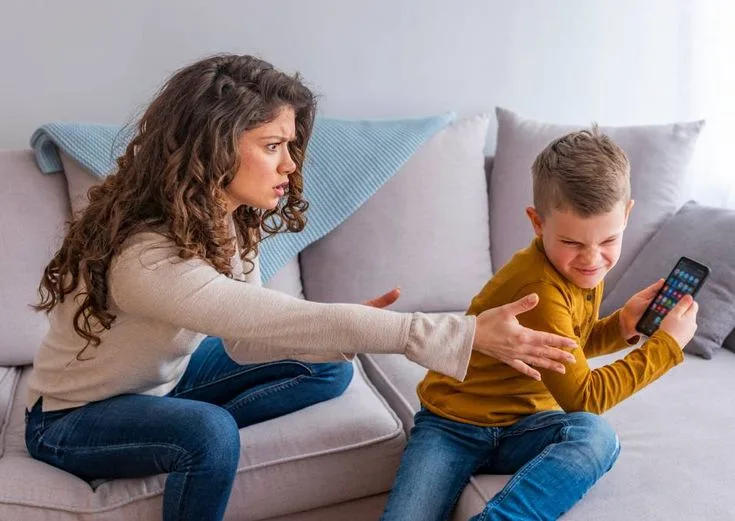
A child’s phone, tablet or gaming device can quickly become the first choice during weekends, school holidays and free time. Many parents notice that their child spends less time reading, playing outside, talking with family, meeting friends or taking part in real-life activities.
This is why searches such as children screen time, kids mobile phone, kids phones and screen time limits are becoming more common. Parents want to understand what is healthy, what is too much and how to create a better balance at home.
Too much screen time can sometimes lead to:
- Less interest in reading or homework
- Poorer sleep habits
- Shorter attention span
- More arguments at home
- Less physical activity
- Less face-to-face communication
- Lower motivation for learning
- More dependence on phones and devices
- Reduced confidence in social settings
The aim is not to remove technology completely. The aim is to help children use screens in a healthier way while making space for learning, creativity, exercise, family time and social development.
How Much Screen Time Is Too Much?
Many parents ask how much screen time is too much. The answer depends on the child’s age, routine, schoolwork, sleep, physical activity and behaviour. There is no single rule that works for every family, but parents can look at the effect screen time is having on daily life.
Screen time may be becoming a problem if a child:
- Gets upset when asked to stop using a device
- Avoids homework, reading or revision
- Chooses screens over family time or social activities
- Struggles to sleep after using screens
- Loses interest in hobbies
- Spends long periods on a kids mobile phone or tablet
- Uses screens as the main form of entertainment
- Finds it difficult to focus without a device nearby
Parents searching for recommended screen time by age are usually trying to set fair boundaries. A helpful approach is to focus less on exact minutes and more on balance.
If a child is sleeping well, studying properly, exercising, reading, socialising and helping at home, screen time is easier to manage. However, if screens are replacing everything else, parents may need to introduce stronger screen time limits and better screen time alternatives for kids.
Why Children Spend More Time on Phones and Screens
Before parents can reduce screen time, it helps to understand why children use screens so much. For many children, screens are not only entertainment. They are a habit, a comfort, a way to avoid boredom and sometimes a way to stay connected with friends.
Children may spend more time on screens because:
- Phones are always available
- Videos and games are designed to hold attention
- They feel bored during weekends or holidays
- They have fewer structured activities
- Their friends are also online
- They use screens to relax after school
- They lack confidence in offline activities
- They find homework or reading difficult
- They do not have a clear daily routine
This is why simply taking away a child’s phone may not solve the problem. If there is no replacement activity, children may become frustrated or return to screens quickly.
A better approach is to create a weekly routine with enjoyable alternatives. This can include learning activities for kids, social activities for children, reading time, outdoor play, drawing, exercise, family visits, clubs, tuition and structured weekend activities.
How to Reduce Screen Time Without Daily Arguments
Many parents want to know how to reduce screen time without creating constant arguments at home. The key is to make changes gradually and clearly. Children respond better when they understand the reason behind a rule and when they have something positive to do instead.
Here are practical ways to reduce screen time for children:
Set Clear Family Rules
Parents should create simple screen time rules that everyone understands. For example, screens can be limited during homework, meals, family time and before bed. The rules should be clear, consistent and realistic.
If parents keep changing the rules every day, children may become confused or push boundaries. A steady routine works better.
Replace Screen Time with Better Activities
Children need alternatives. Instead of only saying stop using your phone, parents can offer screen free activities for kids such as reading, drawing, puzzles, sports, baking, board games, family walks, library visits, study sessions or group learning.
The goal is to make offline life more interesting.
Create a Weekend Plan
Weekends are often when children spend the most time on screens. A simple weekend plan can help. Parents can include family activities, homework time, outdoor exercise, creative projects, reading, social visits and rest.
Weekend activities for children do not need to be expensive. Even a library visit, park walk, sports session or family reading challenge can help reduce screen time.
Keep Devices Away During Study Time
If a child is doing homework, revision or reading, phones should not be beside them. Notifications can distract children and make it harder to focus.
A quiet study space helps children concentrate better. This is especially important for students preparing for SATs, 11 Plus, GCSEs or A-Levels.
Encourage Real-Life Social Activities
Children need face-to-face communication. Social activities for children help them practise speaking, listening, teamwork, patience and confidence.
This is especially important for children who spend a lot of time online but struggle with real-life communication. Group learning, clubs, sports, family gatherings and community activities can all help children build stronger social skills.
Should Parents Use Screen Time Limits?
Screen time limits can help, but they work best when they are part of a wider routine. If parents only focus on restrictions, children may see screen rules as punishment. If parents combine limits with positive alternatives, children are more likely to accept the change.
Useful screen time limits may include:
- No screens during meals
- No phones during homework
- No screens before bedtime
- Limited gaming during school days
- Device-free family time
- Reading before entertainment
- Outdoor or social activity before screens
- Study tasks completed before phone use
Parents searching for how to limit screen time should remember that limits need to be practical. A child who is used to several hours of screen time may not reduce it overnight. Small steps are easier to maintain.
For example, parents can start by replacing one hour of screen time with a better activity. Over time, the child becomes more comfortable with a healthier routine.
Best Screen Time Alternatives for Children
The best screen time alternatives for kids are activities that feel enjoyable, useful and realistic. Children are more likely to reduce screen time when the replacement activity gives them a sense of achievement, confidence or connection.
Good alternatives include:
- Reading books
- Drawing and creative writing
- Sports and exercise
- Family walks
- Board games and puzzles
- Library visits
- Music practice
- Group learning
- Science experiments
- Mindfulness for kids
- Homework support
- Maths challenges
- English vocabulary games
- Journaling
- Social activities with friends
- Educational visits
- Weekend clubs
- Tuition and academic support
The aim is to build a balanced lifestyle. Children should have time to rest, but they should also have time to learn, move, talk, create and think.
Learning Activities for Kids That Reduce Unproductive Screen Time
Learning activities can be a powerful way to reduce screen time because they help children feel productive. Many children spend extra time on devices because they do not know what else to do. Structured learning gives them direction.
Parents can encourage learning activities such as:
- Reading a chapter from a book
- Writing a short story
- Practising spelling
- Learning new vocabulary
- Completing a Maths challenge
- Solving puzzles
- Writing a diary entry
- Practising times tables
- Reviewing school topics
- Preparing for upcoming exams
- Creating drawings for children’s story ideas
- Explaining a Science topic in simple words
These activities help children improve focus and confidence. They are also useful for students who need support in English, Maths, Science, 11 Plus, SATs, GCSE or A-Level subjects.
For parents looking for a tuition centre in Morden, English tutor Morden or Maths tutor Morden, Morden Tuition Centre provides structured support that helps students build better learning habits away from unnecessary screen time.
Why Reading Is One of the Best Screen Free Activities
Reading is one of the most effective screen free activities for children. It improves vocabulary, imagination, concentration, comprehension and writing skills. It also helps children slow down and focus without needing fast-moving videos or constant entertainment.
Parents can support reading by:
- Letting children choose books they enjoy
- Reading together as a family
- Visiting local libraries
- Creating a reading challenge
- Asking children to summarise stories
- Encouraging book discussions
- Using reading as part of bedtime routine
- Connecting books to school topics
Reading is especially helpful for children who need support with English, comprehension, creative writing or GCSE English preparation.
At MTC, English tuition can help children build stronger reading and writing confidence. This supports both academic progress and healthier screen habits.
Exercise and Physical Activities for Kids
Kids exercise and fitness activities are important because children need movement, not just mental stimulation. Too much sitting with phones, tablets or gaming can reduce physical activity.
Exercise helps children release energy, improve mood and build confidence.
Good physical activities include:
- Walking
- Cycling
- Football
- Swimming
- Dance
- Martial arts
- Running games
- Playground activities
- Family fitness challenges
- Team sports
- Outdoor games
- Park visits
Physical activity also supports social development. When children play in groups, they learn teamwork, turn-taking, communication and resilience. These skills are difficult to develop through screens alone.
Weekend and holiday activities that involve exercise can help children build better routines and reduce dependence on devices.
Social Activities for Children That Build Real Confidence
One of the biggest problems with too much screen time is that children may become less confident in real-life social situations. Online communication is not the same as speaking to people face to face. Children still need practice with conversation, teamwork, patience, listening and expressing their ideas clearly.
Social activities for children help them build these skills naturally. When children spend time with others in real-life settings, they learn how to share, take turns, solve problems and communicate with confidence.
Good social activities for children include:
- Group learning sessions
- Sports clubs
- Reading clubs
- Art and drawing groups
- Family gatherings
- Community events
- Library activities
- Team games
- Drama or speaking activities
- Study groups
- Educational workshops
- Outdoor group activities
- Board games with family or friends
These activities are important because they help children build confidence away from screens. A child who is comfortable speaking, asking questions and working with others is more likely to feel confident at school too.
For children who are shy, anxious or used to spending most of their free time online, small group activities can be a good first step. Parents do not need to force children into large social settings immediately. The goal is to help them gradually become more comfortable in real-life communication.
Weekend Activities for Children Away From Screens
Weekends are one of the best times to reduce screen time because children usually have more free time. Without a plan, this free time can quickly turn into long hours on a phone, tablet, gaming console or television.
Parents can use weekends to create a healthier balance. The aim is not to make every weekend full of activities. Children still need rest. However, a simple structure can make the weekend more useful and enjoyable.
Here are practical weekend activities for children:
- Visit a local park
- Go for a family walk
- Visit a library
- Read together at home
- Play a board game
- Try a new sport
- Complete a creative project
- Practise drawing or painting
- Cook or bake together
- Visit relatives or family friends
- Complete homework early
- Do a Maths challenge
- Write a short story
- Create a family quiz
- Join a group activity
- Attend a tuition or learning session
Weekend activities can help children reduce screen time because they give them something better to do. When a child has a meaningful plan, they are less likely to spend the whole day scrolling, watching videos or gaming.
Holiday Activities for Children That Keep Them Engaged
School holidays can be challenging for parents because children have more free time than usual. This is when screen time can increase quickly. Many parents notice that their child spends more time on YouTube, games, phones or tablets during holidays compared with school weeks.
Holiday activities for children should support a balance of rest, learning, movement and social time. Parents can create a simple weekly routine that includes both fun and development.
Good holiday activities for children include:
- Reading challenges
- Creative writing
- Maths practice
- Outdoor games
- Sports sessions
- Educational visits
- Library trips
- Art and craft projects
- Family learning days
- Nature walks
- Group activities
- Science experiments
- Mindfulness activities
- Homework support
- Revision sessions
- Social time with friends
- Community activities
A good holiday routine helps children stay active and focused without making the break feel like school. Even a small amount of daily reading, writing, Maths or exercise can help children maintain confidence.
For students preparing for 11 Plus, SATs, GCSEs or A-Levels, the holidays can also be a useful time to revise weaker areas and build better study habits.
Mindfulness for Kids and Calmer Screen Habits
Mindfulness for kids can help children become calmer, more focused and more aware of their habits. Many children use screens when they are bored, tired, upset or restless. Mindfulness can help them pause and choose a better activity.
Simple mindfulness activities include:
- Deep breathing
- Quiet reading
- Drawing
- Journaling
- Listening to calm music
- Stretching
- Nature walks
- Gratitude lists
- Colouring
- Short reflection time
- Talking about feelings
These activities can help children slow down. This is useful because many online videos, games and apps are designed to move quickly and keep children’s attention. Mindfulness gives children a break from constant stimulation.
Parents can start small. Even five or ten minutes of quiet activity can help a child reset. Over time, mindfulness can become part of a healthier routine that reduces unproductive screen time.
Drawing, Writing and Creative Activities
Drawing and creative activities are excellent alternatives to screen time. Many children enjoy creativity when they are given the right materials and encouragement.
Activities such as drawings for children, colouring, sketching, story writing and craft projects help children use imagination and concentration. These activities also support fine motor skills, patience and self-expression.
Creative screen-free ideas include:
- Drawing a favourite place
- Designing a story character
- Writing a short comic
- Making a poster
- Creating a scrapbook
- Building with paper or card
- Writing a poem
- Designing a book cover
- Making flashcards
- Creating a holiday diary
- Writing a letter to a family member
Creative activities can also support English learning. When children write stories, describe pictures or explain their ideas, they practise vocabulary, grammar and sentence structure.
This is one reason why creative writing and English tuition can be helpful for children who need to improve confidence away from screens.
How Parents Can Build a Healthy Screen Time Routine
Reducing screen time works best when parents build a routine that feels fair and realistic. A sudden ban can create arguments, but a balanced plan can help children adjust more easily.
A healthy routine may include:
- Homework before entertainment
- Reading before screen time
- Device-free meals
- Outdoor activity during the weekend
- Regular bedtime routines
- Limited gaming time
- Study time without phones nearby
- Family activities each week
- Creative activities during holidays
- Social activities with other children
- Regular revision for older students
Parents should also lead by example where possible. If children see adults constantly using phones during family time, it becomes harder to explain why they should reduce their own screen time.
The best approach is to create a family culture where screens are useful, but not the centre of every activity.
How Learning Support Can Help Reduce Screen Time
Some children spend more time on screens because they feel unsure about schoolwork. If homework feels too difficult, they may avoid it by turning to videos, games or social media. In this situation, screen time is not only a habit. It can also be a way to escape academic stress.
Learning support can help by giving children more confidence. When children understand English, Maths or Science better, they are more likely to complete homework, revise properly and feel positive about school.
Morden Tuition Centre supports students with:
- English tuition
- Maths tuition
- Science tuition
- 11 Plus preparation
- SATs preparation
- GCSE tuition
- A-Level tuition
- ESOL support
- Primary school support
- Secondary school support
- Study skills
- Academic confidence
This support can help children develop better routines and spend more time on productive learning instead of unstructured screen time.
How Morden Tuition Centre Supports Better Routines and Confidence
Morden Tuition Centre helps children build academic confidence in a structured and supportive learning environment. For parents who are trying to reduce screen time, this structure can be valuable.
Children often need more than screen time limits. They need encouragement, routine, subject support and positive learning habits. MTC supports children by helping them focus on English, Maths, Science and exam preparation in a calm educational setting.
For parents searching for a tuition centre in Morden, English tutor Morden, Maths tutor Morden, GCSE tuition Morden or 11 Plus tuition Morden, MTC provides learning support that can help children become more confident and less dependent on screens for entertainment.
A child who feels more confident in schoolwork is more likely to read, revise, ask questions and take part in learning. This can naturally reduce unproductive screen habits over time.
Practical Weekly Plan to Reduce Screen Time
Parents can use a simple weekly plan to help children build better habits. The plan does not need to be strict or complicated. It should be realistic for the family.
A balanced week can include:
- Reading several times a week
- Homework or revision before entertainment
- One or two creative activities
- Regular physical activity
- Family time without screens
- A weekend outdoor activity
- A social activity with other children
- A learning activity such as Maths or English practice
- A quiet activity such as mindfulness or journaling
- Limited and agreed screen time
The key is consistency. Children are more likely to accept screen time limits when the routine becomes normal.
When Should Parents Ask for Extra Support?
Parents may want to consider extra support if screen time is affecting schoolwork, sleep, confidence or behaviour.
Signs that a child may need more structure include:
- Avoiding homework regularly
- Struggling to focus
- Losing interest in reading
- Falling behind in English or Maths
- Becoming upset when screens are limited
- Spending most free time on devices
- Avoiding real-life social activities
- Feeling anxious about school
- Preparing for exams without a clear routine
- Needing help with revision or study skills
In these cases, a structured learning environment can help. MTC can support children who need better study habits, academic confidence and guidance away from unproductive screen time.
Final Thoughts: Reducing Screen Time Is About Better Choices
Learning how to reduce screen time is not only about removing phones or tablets. It is about helping children make better choices with their time.
Children need opportunities to read, move, create, talk, learn, rest and socialise. When parents replace excessive screen time with positive activities, children can build stronger routines and better confidence.
For families in Morden and nearby areas, Morden Tuition Centre can support this goal through structured English, Maths, Science, 11 Plus, SATs, GCSE and A-Level learning support.
Frequently Asked Questions
How can I reduce screen time for my child?
You can reduce screen time by setting clear rules, creating a routine and replacing screens with better activities. Reading, exercise, drawing, family time, social activities and structured learning can all help children spend less time on phones, tablets and gaming devices.
How much screen time is too much for children?
Screen time may be too much if it affects sleep, homework, reading, physical activity, behaviour or social confidence. Instead of only focusing on exact minutes, parents should look at whether screens are replacing healthy activities.
What are the best screen free activities for kids?
Good screen free activities for kids include reading, drawing, sports, board games, puzzles, outdoor walks, library visits, creative writing, mindfulness, family activities and group learning
How do I stop my child spending too much time on a phone?
Start with clear phone rules, such as no phones during homework, meals or bedtime. Then replace phone time with positive alternatives like reading, exercise, creative activities and social activities.
Are screen time limits useful?
Yes, screen time limits can be useful when they are realistic and consistent. They work best when parents also provide enjoyable alternatives, rather than only removing devices.
What activities help children socialise away from screens?
Group learning, sports, clubs, library activities, family gatherings, board games, team activities and educational workshops can help children practise real-life communication and social skills
Can too much screen time affect learning?
Too much screen time can affect learning if it reduces homework time, reading, sleep, attention or motivation. A better routine can help children focus more on schoolwork and academic confidence.
How can Morden Tuition Centre help with better learning routines?
Morden Tuition Centre supports children with English, Maths, Science, 11 Plus, SATs, GCSE
and A-Level learning. Structured academic support can help children build confidence and spend more time on productive learning instead of unstructured screen time.
Is tuition a good screen time alternative?
Tuition can be a useful screen time alternative because it gives children structure, guidance and academic support. It helps children focus on learning and build confidence in important subjects.
What should children do during weekends instead of screens?
Children can read, visit parks, join clubs, play sports, draw, write stories, complete homework, visit libraries, take part in family activities or attend structured learning sessions.